Basecamp → The Principles → Ordinating Principles
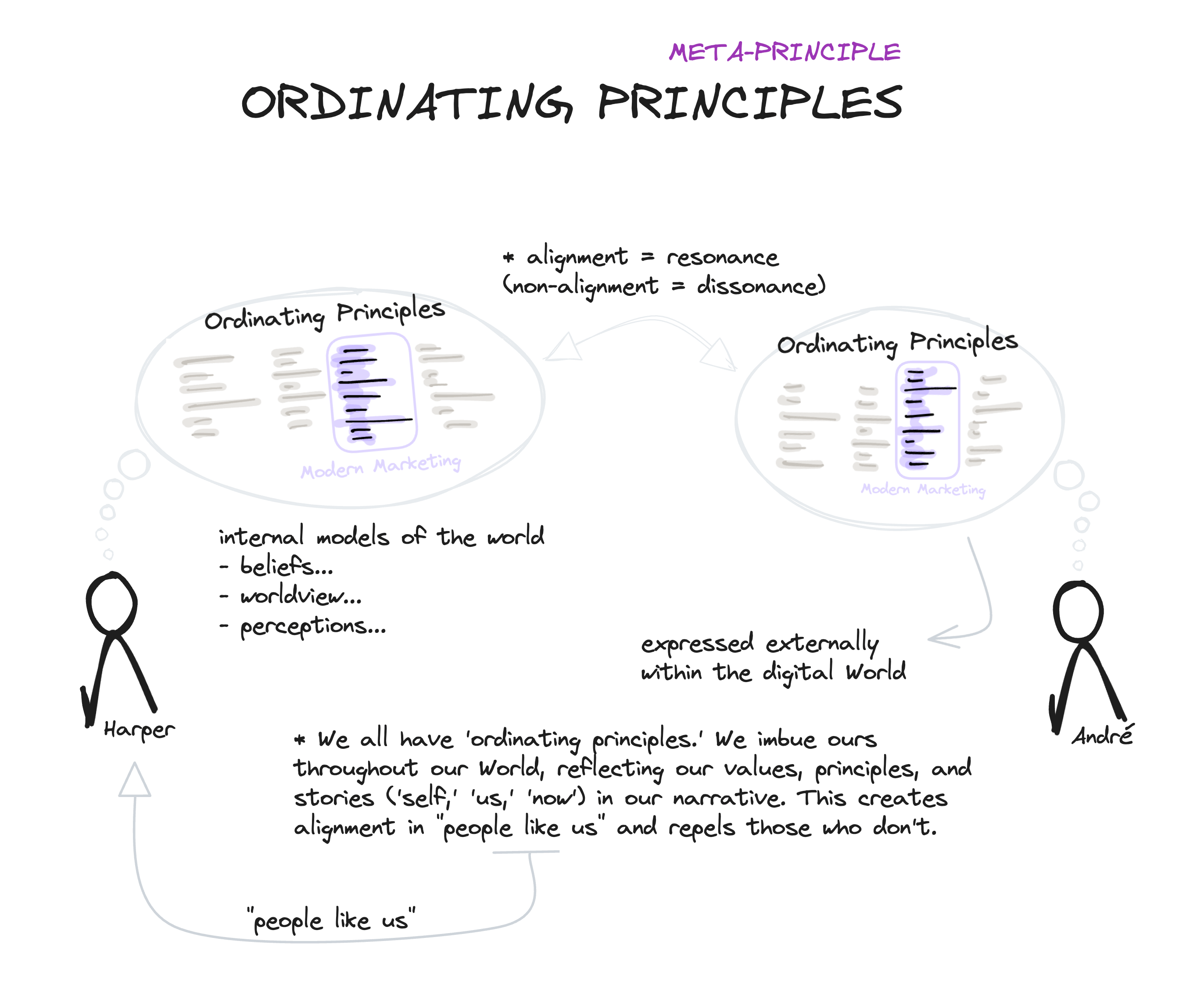
Ordinating Principles are the core values and beliefs that shape who we are. These principles cover important nontrivial areas of life such as happiness, money, relationships, experiences, and health. They form the foundation of our personal identity and influence how we see the world and interact with it.
Resonance occurs when visitors or citizens of our digital world encounter our implicitly imbued Ordinating Principles across the dimensions of our expertise, creating a felt alignment. Importantly, we don’t seek to avoid dissonance. Both resonance and dissonance are necessary and desired, as they help define our digital identity and attract or repel others based on shared or conflicting values.
§
As Harper navigates the vast and non-linear landscape of the digital world, they are guided by their fundamental beliefs, values, and aspirations, shaping their identity and worldview.
These are Harper’s Ordinating Principles — the deep, underlying structures that orient their thoughts, decisions, motivations, and actions, especially in the face of uncertainty and change (see Encountering Paradox and Disorientation later).
As Harper engages with the digital world, their Ordinating Principles act as a compass, helping them navigate the complex landscape of information, ideas, and perspectives. These principles provide a framework for making sense of the world — discerning what’s true, valuable, salient, and worthy of their attention and commitment.
James Clear talks about identity-based habits and how goals centered around outcomes aren’t as likely to stick as those centered around identity. While not the same as an identity-based habit, I suspect an Ordinating Principle broadly aligns with James Clear’s notion of identity-based habits.
Both concepts focus on the internal, foundational aspects that drive external actions and behaviors. They emphasize the importance of an underlying principle or identity that guides decision-making and action-taking across a dimension of our life, especially when faced with the paradox of disorientation and the need for reorientation (a topic for later).
Our Ordinating Principles suggest a deeper, more foundational force that drives our quest for direction and meaning. To achieve orientation, we must align ourselves with something. This initial alignment sets the stage for orientation to manifest.
“Before you can do anything else you have to be properly orientated.” — Werner Stegmaier (What is Orientation?: A Philosophical Investigation)
One way to think of it is like the compass needle of our internal GPS system. Our underlying framework and intuition help us navigate the complex dance between orientation and disorientation.
This principle is deeply personal, multi-faceted, and operates beneath the surface of our conscious awareness.
It’s a subtle yet powerful force that guides our focus, desires, and, ultimately, our actions.
When the digital world’s “Heartbeat” — the pulsating, life-giving force that embodies its ethos — resonates with Harper’s Ordinating Principles, it creates a sense of alignment and purpose, speaking to their deepest values and aspirations, inviting them to engage with the world in a way that feels authentic and meaningful.
As Harper explores the digital world, they encounter a rich tapestry of content and experiences that challenge and expand their understanding.
The principle of Choose Your Own Adventure (CYOA) allows Harper to navigate this landscape in a way that is personalized and relevant, following the threads of their curiosity and what’s salient.
Through this process of exploration and discovery, Harper engages in Invisible Conversations with the digital world, reflecting on the ideas and perspectives they encounter and integrating them into their own evolving worldview.
These conversations are guided by and filtered through Harper’s Ordinating Principles, providing a touchstone for evaluating new information and experiences.
At times, Harper will encounter Paradox and Disorientation as the digital world presents ideas and perspectives that challenge their existing axiomatic beliefs and assumptions. These moments of cognitive dissonance can be unsettling, but they are also opportunities for growth and transformation.
Through this process of engagement, reflection, and integration, Harper’s Ordinating Principles evolve and deepen. They are not static or rigid but rather living, dynamic structures that grow and change in response to new evidence, experiences, and insights.
As architects and engineers of our Tiny Digital Worlds, we understand this: our audience is complex and multifaceted, just as we are.
It’s crucial to recognize that we, too, play a role in shaping their journey. By understanding and subtly influencing Harper’s Ordinating Principles, we can more effectively guide them toward their goals.
Let’s look at an example.
Health for Present & FutureAndré
To demonstrate a practical example of an Ordinating Principle within the health domain, I’ll use myself. I’m not an M.D. (shocker!), and while I’ve been immersed in the topic for decades, I recognize I am not an expert. So, I use Peter Attia (MD) as a proxy to give clarity to my health-related Ordinating Principles.
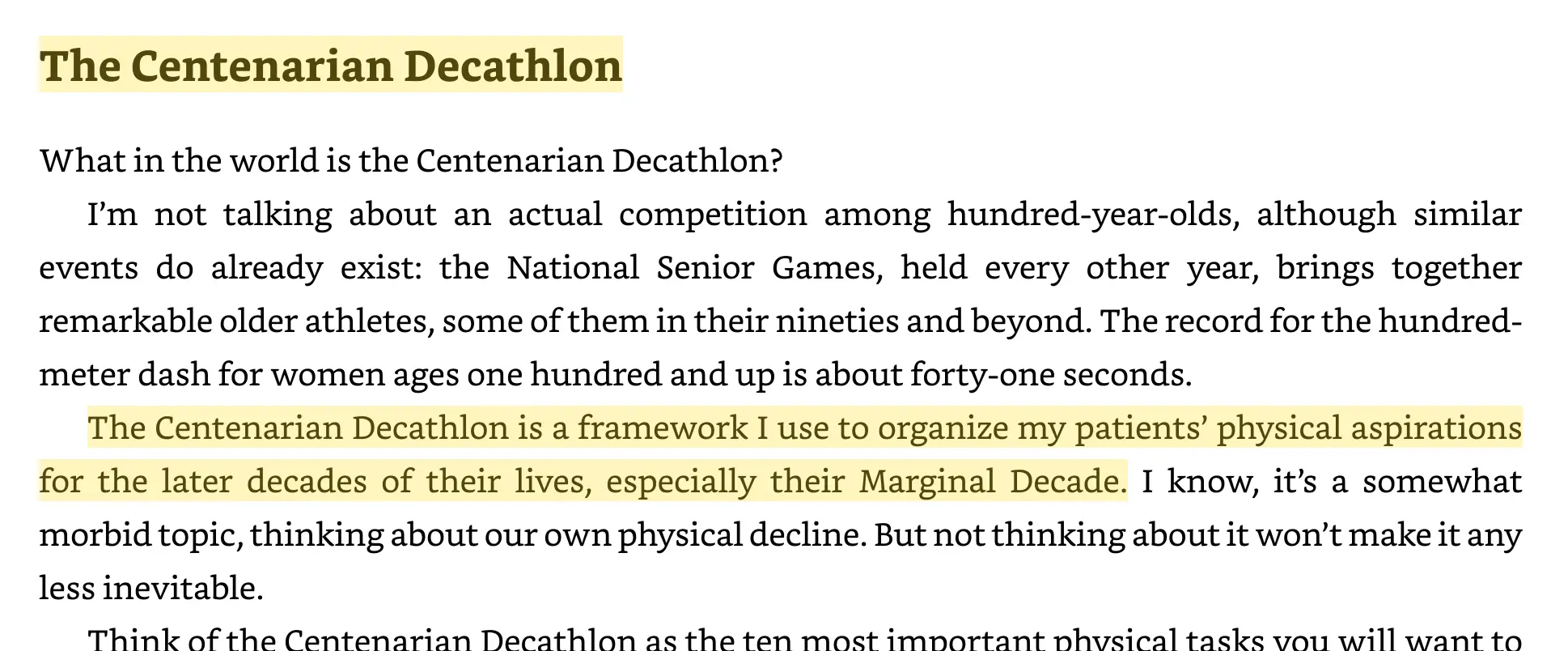
As it turns out, a few years ago, Peter formalized a framework for himself and his clients that he calls the Centenarian Decathlon, which prioritizes physical exercise for one’s later years.
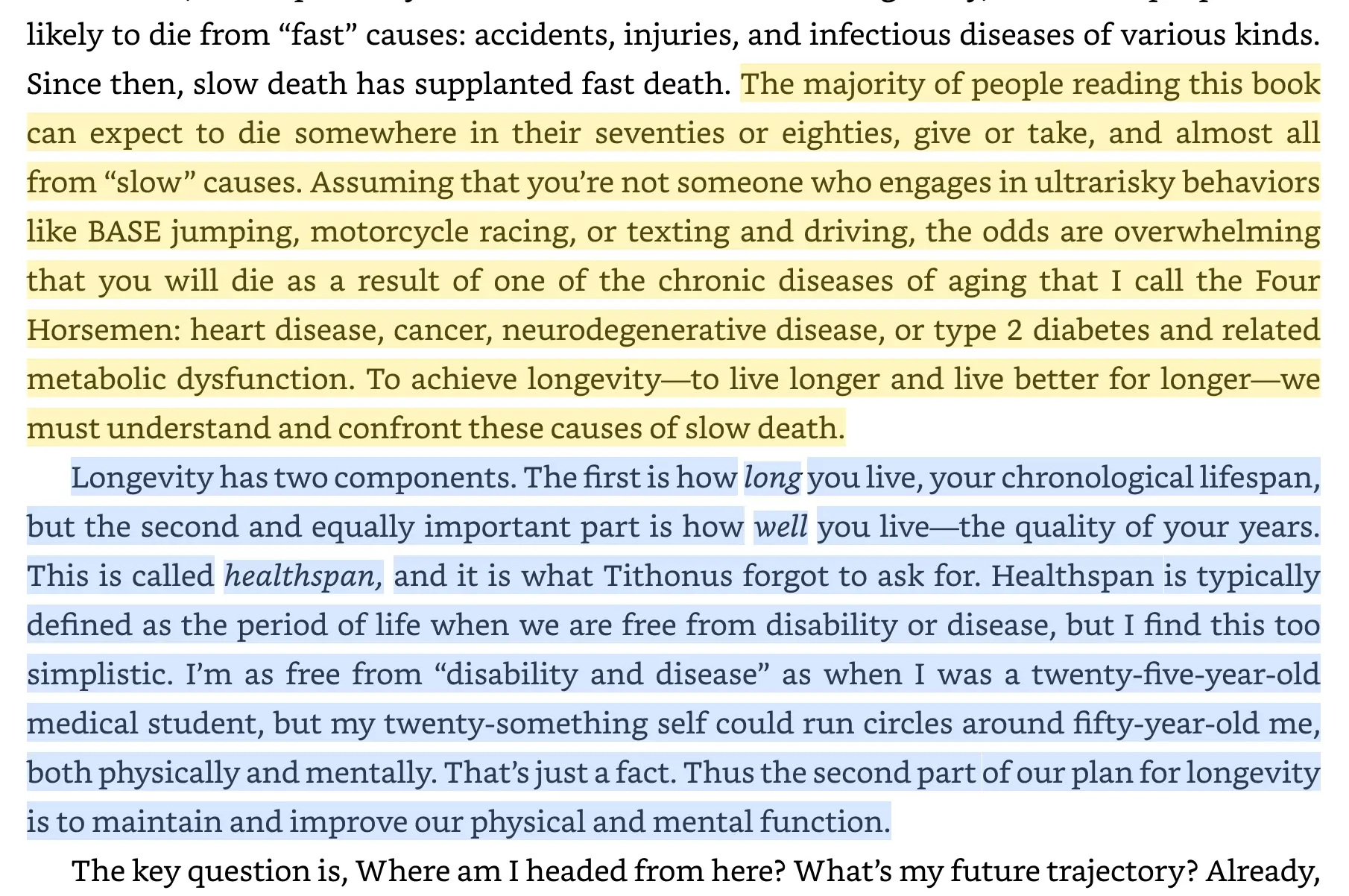
In his book, Outlive, Peter asserts that the odds are overwhelming that we will die as a result of one of the chronic diseases of aging that he calls the Four Horsemen: heart disease, cancer, neurodegenerative disease, or type 2 diabetes and related metabolic dysfunction.
Looking at my 23andMe DNA data and family history, metabolic (cardiovascular) and neurodegenerative diseases are a likely outcome for me without any fitness or pharmacological intervention.
Recognizing that prevention is far better than treatment, I’ve prioritized health and fitness for many years. And, as I’ve already mentioned, Peter’s framework to counteract the Four Horsemen is the Centenarian Decathlon.
(…)
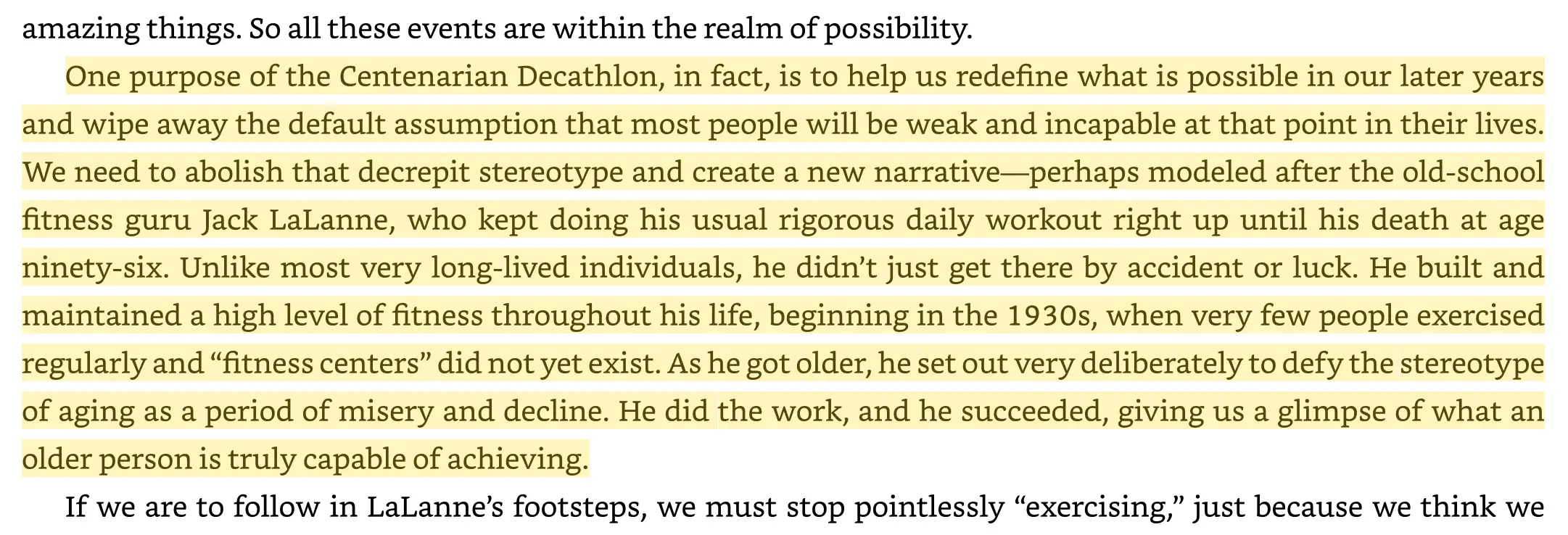
The Centenarian Decathlon is a set of guidelines that help us maximize our marginal decade of life. While it’s not prescriptive, some principles offer guidelines and several metrics to measure, the gold standard being cardiorespiratory fitness as measured by VO2 max.
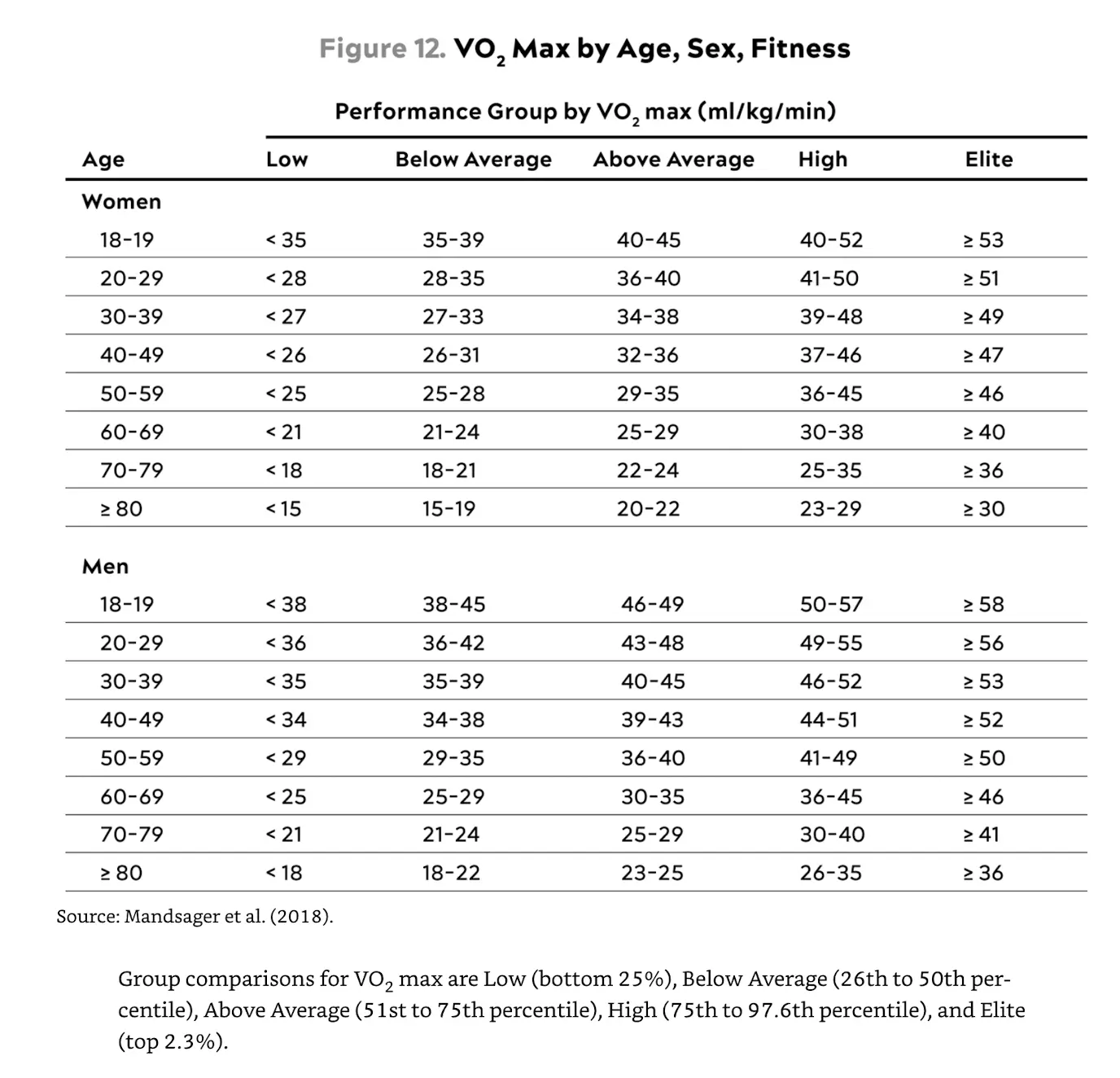
This is the framing for a recent story, which I’ll conclude in the final principle of this training.
On 27 May 2023, I decided to do a 5.3K run with a local running club I found after doing a search for ‘parkrun gibraltar.’ Gibraltar doesn’t have any official parkruns, but this running club does the same thing — a free, community event every Saturday morning at 9am.
For several years, as already mentioned, I’ve embodied Peter Attia’s framework, the Centenarian Decathlon.
Or, at least, I thought I was. 😬
I do weights (resistance training) twice a week.
Over COVID, because gyms were shut, I purchased an X3 Bar (Dr. John Jaquish) to do resistance training at home. I also purchased a Concept2 RowErg for Zone 2 training.
However, rowing is demanding, and doing an hour-long Zone 2 row multiple times a week was challenging. If I’m honest with myself, I did it once or twice a week for around 60-90 minutes in total (two hours is the recommended minimum per week).
After COVID, I returned to the gym but kept up with weekly rowing at home. I figured I was doing enough Zone 2 training.
So, on that fateful Saturday, I showed up on a whim to run the 5.3K. I had run a few 5Ks years earlier when I lived in Spain.
I ran my heart out, recording a time of 31:39. I felt like dying multiple times, will-power dragging me along like a sweat-soaked puppet. According to Apple Fitness, I was in Zone 5 for 21:34 of the 31:39 run! My average HR was 162 (95% of my max HR), which translated to “redlining” the entire run.
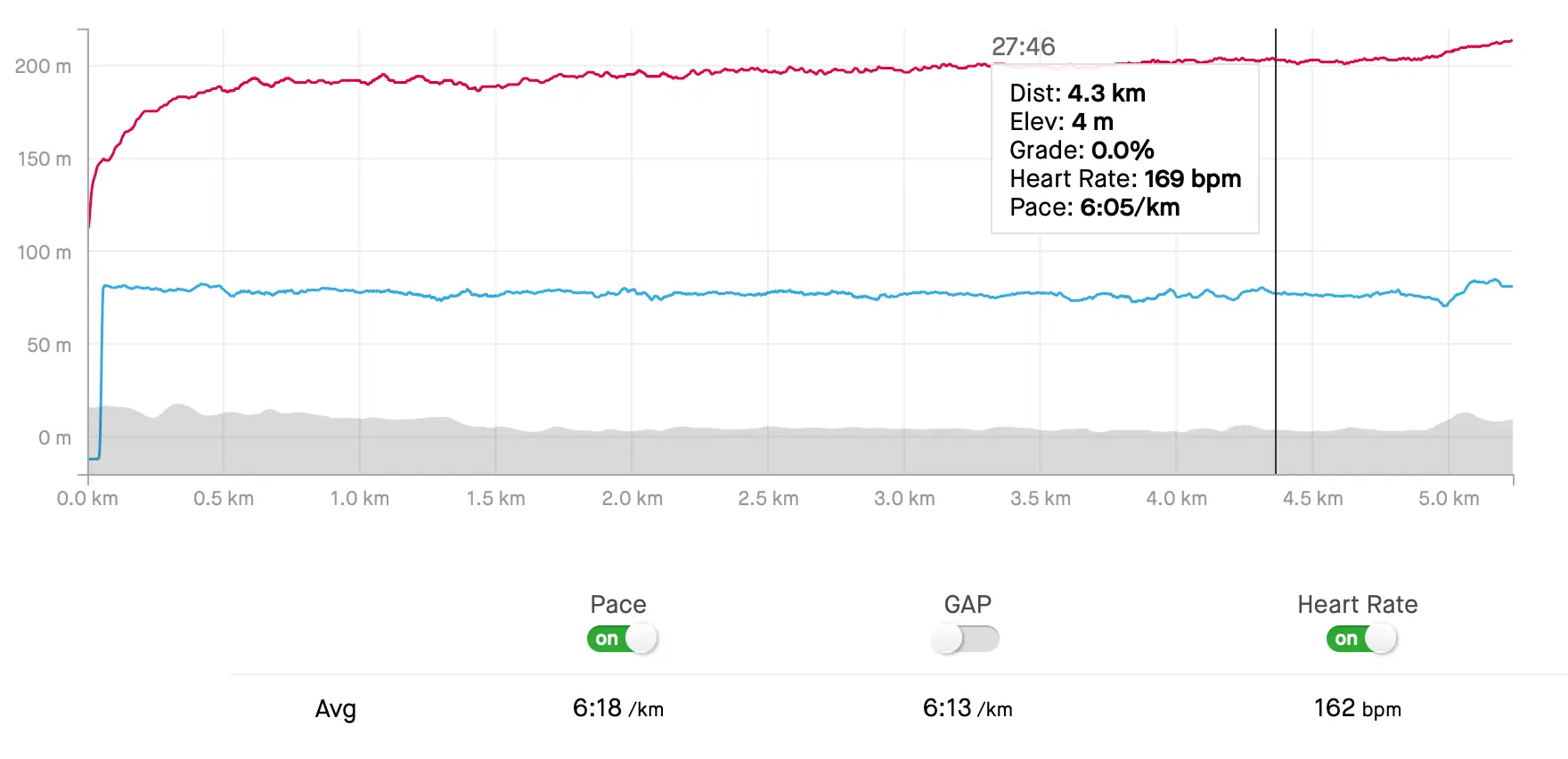
This was the moment of disorientation — or rather, my encounter with paradox. I thought I was doing the appropriate exercise; however, while running 5.3 kilometers, I recognized something was way out!
Disorientation is when faced with real-world challenges, our initial beliefs and strategies are tested, leading to a state of confusion and questioning. (More about this later.)
It was visceral, like a kick in the bollocks — Wake up, André! I texted a (runner) friend after I had sufficiently recovered. He said this:
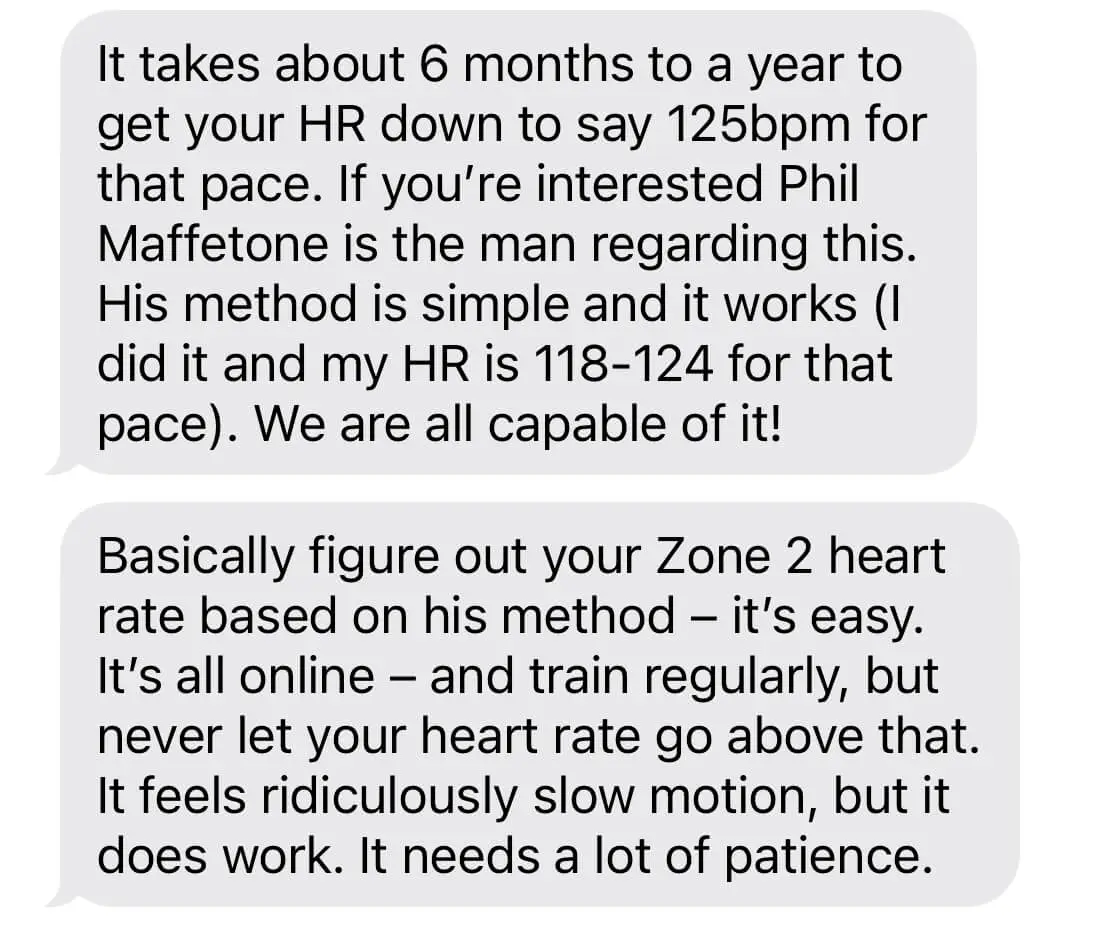
125 bpm seemed inhuman!
I’ll conclude this story later in the training.