Basecamp → The Principles → Orientation & Wayfinding → Zelda
Zelda: Breath of the Wild is a 2017 action-adventure game developed and published by Nintendo for the Nintendo Switch and Wii U.
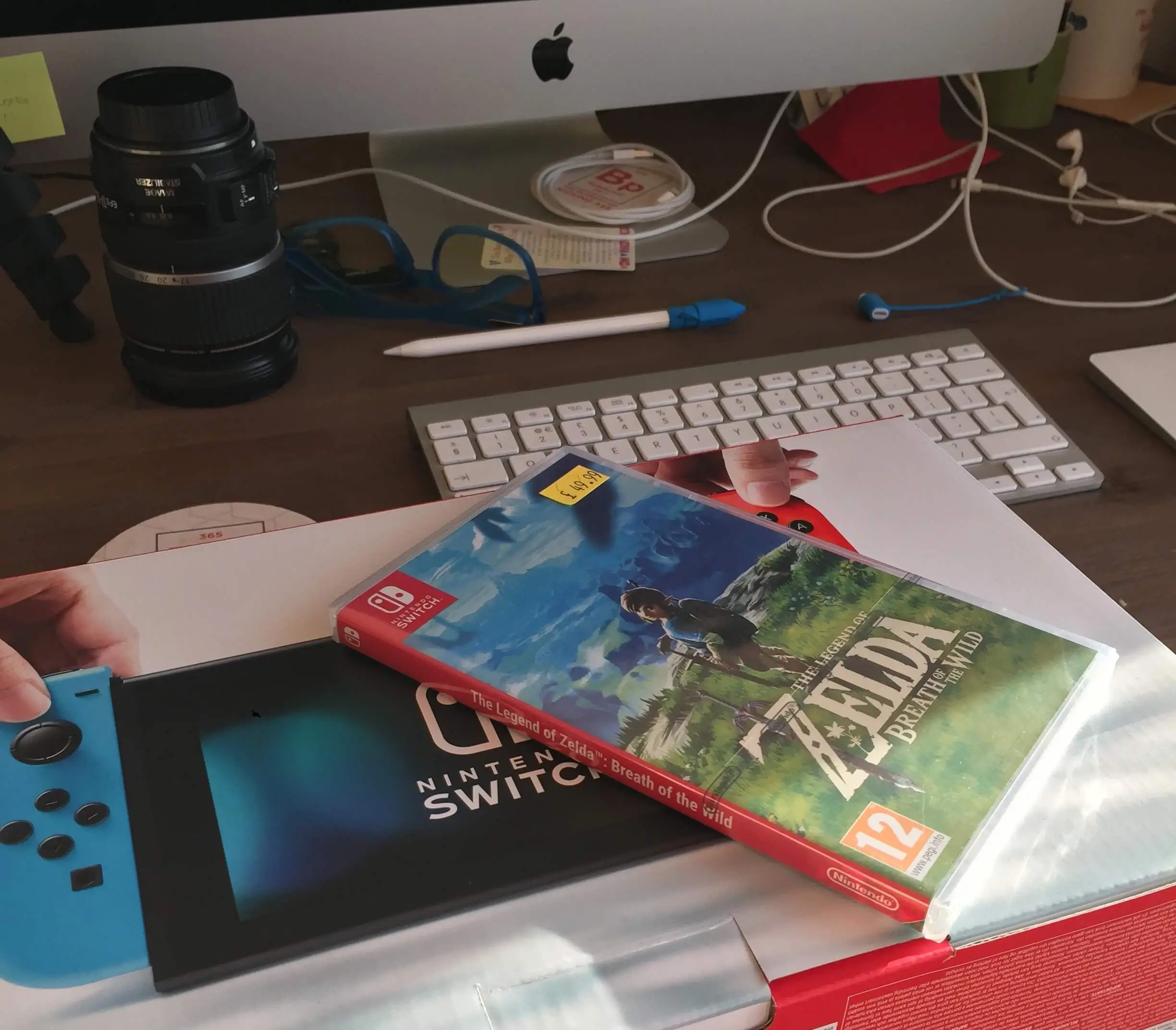
It was released on March 3, 2017, and a few days later, here in Gibraltar, I snagged a Switch and a copy of Zelda for my birthday on March 7th (we always get things late over there).
If you’ve ever played Zelda: Breath of the Wild, you’ll have a sense of the scope of this open-world adventure. I’ve pointed to this video many times. However, please watch it again (9 minutes), because it will establish essential context for the principles of Orientation and Wayfinding.
Nintendo mastered orientation in The Legend of Zelda: Breath of the Wild by strategically employing waypoints. These guideposts in the game world didn’t prescribe a singular path; they offered guidance, allowing the player agency in choosing their route and path through the game.
Consider this insight: While all players who completed the game had to solve all the main quests (side quests were optional), no players (zero, none!) completed the game the same way, taking the same scripted path.
Similarly, in our Tiny Digital World, we use “waypoints” as guideposts to facilitate orientation and a sense of progress (salience landscaping).
Website navigation, sitemaps, breadcrumbs, context + hyperlinks, and search bars help Harper navigate between pages and are expressions of wayfinding.
Once you internalize this, you’ll recognize that the digital marketing funnel hasn’t disappeared; it’s just evolved to be less explicit and more implicit.
The “funnel” is now a dynamic blend of non-linear and linear paths, all functioning within the context of an ever-evolving world-building ecosystem that leads towards an inevitable destination (the metaphor of “Rome,” which we’ll cover later).
This approach turns our marketing landscape into something akin to Zelda’s Hyrule: expansive yet navigable, offering many adventures but anchored by reliable landmarks to guide the way.